Understanding Bounce Castles: A Complete Overview
Bounce castles, also known as inflatable bounce houses or bouncy castles, have become a staple in children's entertainment, offering endless fun and exercise at parties, fairs, and backyard gatherings. These vibrant inflatable structures not only captivate children with their colorful designs but also provide a safe environment for physical activity. As trends evolve, parents are increasingly interested in the various options available, including features, safety standards, and rental processes. When exploring options, bounce castle choices offer comprehensive insights into what to consider for your needs.
What is a Bounce Castle?
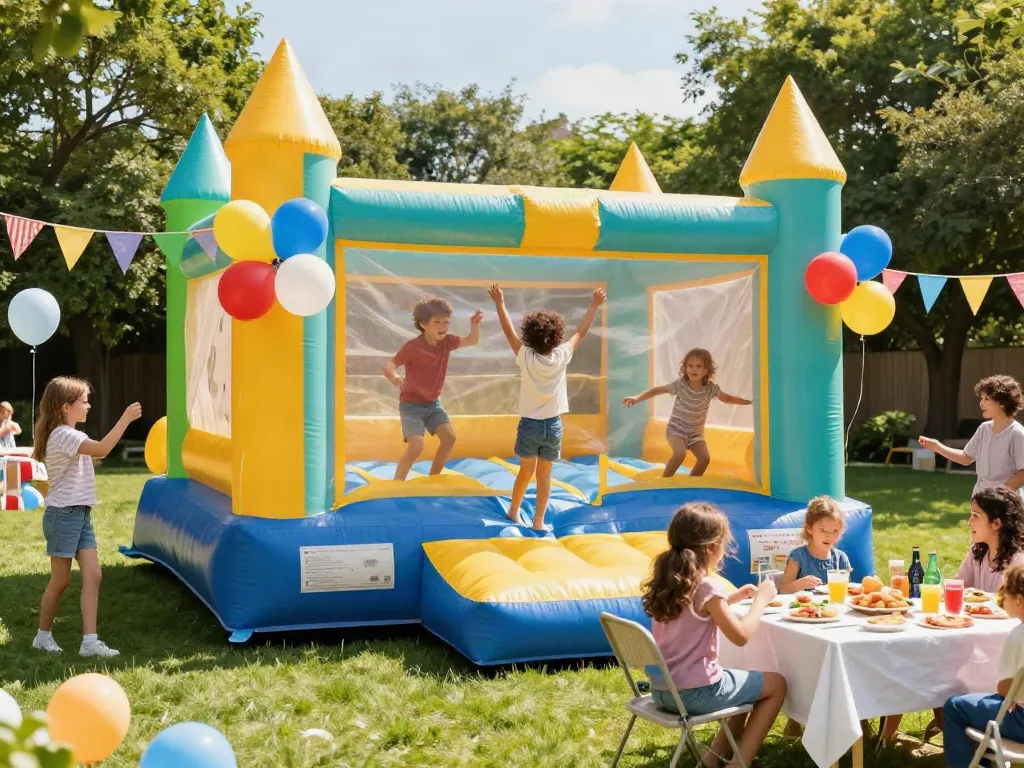
A bounce castle is an inflatable structure designed primarily for children to jump, play, and enjoy themselves. Made from durable, weather-resistant materials, these inflatable playhouses come in various shapes, sizes, and themes, often resembling castles, animals, or colorful playgrounds. The primary objective of a bounce castle is to provide a safe area for physical activity, allowing children to burn off energy while having fun with friends.
History and Evolution of Bounce Castles
The modern bounce castle has its origins in the 1960s, when an innovator named John Scurlock designed an inflatable structure for his children to play on. This initial concept paved the way for the inflatable amusement industry, leading to the creation of various designs and safety standards over the decades. By the 1980s, commercial bounce houses emerged, allowing businesses to rent out these inflatable attractions for parties and events. Today, advancements in materials and technology have elevated the bounce castle experience, ensuring they are safer, more durable, and easier to set up than ever before.
Key Features of Modern Bounce Castles
Today's bounce castles come equipped with various features that enhance safety and enjoyment. Key features include:
- Safety Nets: Many bounce castles are designed with protective netting that prevents children from falling out during play.
- Inflatable Slides: Some models include attached slides, providing an additional activity that complements bouncing.
- Water Features: With the option of being used as water slides or in conjunction with water play, these structures can double the fun during hot weather.
- Interactive Elements: Some bounce castles feature built-in games such as basketball hoops or climbing walls to encourage even more active play.
Selecting the Right Bounce Castle for Your Needs
Factors to Consider When Choosing a Bounce Castle
When selecting a bounce castle, it’s essential to consider several factors to ensure it meets your needs and expectations. These include:
- Size: Determine the available space where you plan to set up the bounce castle. Ensure there is ample room not only for the castle itself but also for safe access and spectator space.
- Design and Themes: Choose a design that resonates with your child’s interests, whether they prefer a classic castle theme, a colorful animals motif, or a superhero design.
- Weight Capacity: Check the manufacturer's specifications regarding the number of children and their combined weight that the bounce castle can safely accommodate.
- Rental vs. Purchase: Decide if you’ll be renting a bounce castle for a one-time event or purchasing one for repeated use. Renting may be cost-effective for occasional use.
Indoor vs. Outdoor Bounce Castles: Pros and Cons
The decision to use a bounce castle indoors or outdoors comes with its unique advantages and disadvantages.
- Indoor Bounce Castles:
- Outdoor Bounce Castles:
Safety Standards to Look For
To ensure the safety of your children when using a bounce castle, it’s vital to look for certain safety standards:
- Consumer Product Safety Commission (CPSC) Standards: Ensure the bounce castle complies with safety regulations set by the CPSC.
- Durable Materials: The structure should be made from heavy-duty, puncture-resistant materials.
- Stability Features: Look for features that enhance stability, such as anchored points or weighted bases.
How to Properly Set Up a Bounce Castle
Step-by-Step Setup Guide
Setting up a bounce castle might seem straightforward, but it requires attention to detail and safety precautions. Follow these steps for proper installation:
- Choose a flat, safe area away from sharp objects or hazards.
- Unpack the bounce castle and lay it out flat.
- Connect the inflation blower to the designated opening.
- Plug in the blower and allow the structure to inflate completely.
- Secure the bounce castle to the ground using stakes or sandbags to prevent movement.
- Perform a safety check, ensuring all components are stable and secure.
Common Mistakes to Avoid During Setup
To ensure a safe and enjoyable experience, avoid these pitfalls:
- Neglecting to check for underground hazards before setup.
- Failing to anchor the bounce castle properly.
- Ignoring the manufacturer's instructions and safety guidelines.
Maintenance Tips for Longevity
Regular maintenance will not only ensure the bounce castle’s longevity but also enhance safety for users. Here are some maintenance tips:
- Inspect the inflatable regularly for wear and tear.
- Clean the surface with mild soap and water after each use.
- Deflate and store the bounce castle in a dry, cool place when not in use.
Hosting Memorable Events with Bounce Castles
Ideas for Bounce Castle Themes and Decorations
To create a memorable event, consider unique themes and decorations for your bounce castle. Popular themes include:
- Fairytale castles with princess or knight decorations.
- Underwater themes featuring marine animals.
- Jungle themes with vibrant animal cutouts.
- Sports themes including basketballs or soccer designs.
Activities to Enhance Bounce Castle Fun
To maximize enjoyment, incorporate fun activities in and around the bounce castle:
- Organize relay races or jumping competitions.
- Integrate obstacle courses for added challenge.
- Offer themed seasonal games to engage children.
Safety Measures for Event Success
While hosting events with bounce castles, prioritize safety by implementing these measures:
- Supervise children while they’re playing.
- Establish rules for safe bouncing, such as no shoes or rough play.
- Limit the number of children allowed in the castle at one time.
Future Trends: Bounce Castles in 2026 and Beyond
Innovations in Bounce Castle Technology
The future of bounce castles looks bright with technological advancements aimed at enhancing safety, durability, and entertainment value. Innovations may include:
- Smart sensors that monitor weight limits and safety conditions.
- Built-in sound systems for music and games.
- Interactive digital displays for engaging experiences.
Eco-Friendly Materials and Designs
As environmental awareness increases, manufacturers are likely to create bounce castles using eco-friendly materials that are recyclable and made from sustainable resources. This trend not only helps the planet but also appeals to eco-conscious parents.
Predicted Popular Themes for Upcoming Years
Looking ahead, some themes that are expected to gain popularity include:
- Space and galaxy themes that spark imagination.
- Wild west or pirate themes for adventurous play.
- Augmented reality experiences that blend digital and physical play.
What is a bouncy castle called?
A bouncy castle is commonly referred to as a bounce house, inflatable bounce house, or inflatable castle. Regardless of the name, these structures provide joy and exercise for children.
Why are bouncy castles so expensive?
The price of bounce castles can vary significantly based on their size, features, and quality of materials. Higher-end models that include safety features, interactive elements, and durable construction tend to be more expensive.
How much does a bounce castle cost?
On average, the cost of purchasing a bounce castle can range from a few hundred dollars for basic models to several thousand for commercial-grade options. Rentals typically vary based on location and duration, with costs ranging from $100 to $500.
Can my 2-year-old go in a bounce house?
Generally, many bounce castles are suitable for toddlers, but it's crucial to check the age recommendations and safety guidelines provided by the manufacturer to ensure safe play.
What maintenance does a bounce castle require?
Maintaining a bounce castle involves regular cleaning after use, checking for damage, and storing it safely. Proper care ensures longevity and continued safety for children.