Understanding Metal Roofing Products in Ontario
Metal roofing products have gained significant popularity among homeowners in Ontario due to their durability, aesthetic appeal, and energy efficiency. As weather patterns become increasingly unpredictable, the demand for robust and reliable roofing materials has surged. Homeowners looking to invest in long-lasting roofing solutions need to understand the diverse types of products available and how they can benefit their residences. When exploring options, metal roofing products Ontario not only provide a variety of styles but also enhance energy efficiency, making them an attractive choice for the modern homeowner.
What are Metal Roofing Products?
Metal roofing products encompass a wide range of materials, styles, and applications designed to protect homes from the elements. Commonly made from steel, aluminum, copper, and zinc, these products are engineered to withstand extreme weather conditions, including heavy snowfall, rain, and high winds. Metal roofs boast a lifespan of 40 to 70 years, significantly longer than traditional asphalt shingles, which typically last about 20 years. This longevity makes investing in metal roofing a financially savvy decision for many homeowners.
Common Types of Metal Roofing Products
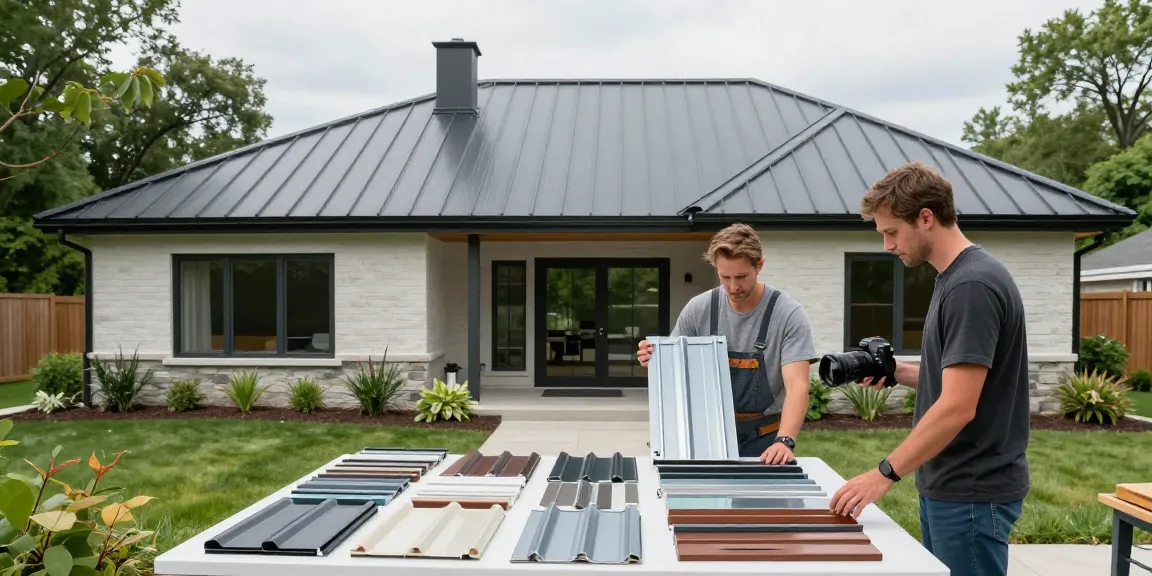
When selecting metal roofing products, it’s crucial to understand the various types available:
- Monterey Metal Tile: This option mimics the appearance of traditional tile roofs while providing superior strength and weather resistance.
- Era Metal Tile: With its unique design, this product offers a classic aesthetic, blending traditional beauty with modern durability.
- Bond Style Metal Tile: This tile style is known for its interlocking system, offering enhanced protection and a distinctive look.
- Standing Seam Metal Roofing: Recognized for its sleek and modern style, this roofing option features vertical seams that create a clean appearance while minimizing water infiltration.
- Modern Metal Roofing: This category includes various contemporary designs, making it suitable for a range of architectural styles.
Benefits of Metal Roofing for Homeowners
Metal roofing products offer numerous advantages for homeowners, including:
- Durability: Metal roofs can withstand harsh weather conditions, resisting damage from hail, wind, and heavy snow.
- Energy Efficiency: Many metal roofing systems reflect solar heat, which can contribute to lower energy bills.
- Low Maintenance: Unlike asphalt shingles, metal roofs require minimal maintenance, typically needing just periodic inspections and cleaning.
- Environmental Benefits: Metal roofing is often made from recycled materials and is fully recyclable at the end of its life, making it an environmentally friendly choice.
- Variety of Styles: Homeowners can choose from various designs and colors to complement their home’s architecture.
Choosing the Right Metal Roofing for Your Home
Selecting the appropriate metal roofing for your home is essential to ensure that it meets your aesthetic preferences and functional needs. With the variety available, homeowners should consider several factors before making a decision.
Key Factors in Selecting Metal Roofing Products
When evaluating different metal roofing products, consider the following key factors:
- Climate: Different roofing materials perform better in specific weather conditions. For instance, aluminum may be more suitable for coastal areas due to its resistance to salt corrosion.
- Budget: Prices can vary widely among different types of metal roofing. Establishing a budget beforehand will help narrow down the options.
- Style: The roofing style should complement the overall design of your home. Consider both the aesthetics and functionality when making your choice.
- Installation Requirements: Some metal roofing styles may require additional structural support or specialized installation techniques.
Comparative Analysis of Different Metal Roofing Styles
Here’s a comparative analysis of popular metal roofing styles to aid your decision-making process:
| Roof Type | Durability | Maintenance | Aesthetic Appeal | Cost |
|---|---|---|---|---|
| Monterey Metal Tile | High | Low | Classic | Moderate |
| Standing Seam | Very High | Low | Modern | Higher |
| Bond Style Metal Tile | High | Low | Traditional | Moderate |
| Modern Metal Roofing | High | Low | Contemporary | Moderate |
Cost Considerations of Metal Roofing Products Ontario
Understanding the costs associated with metal roofing products is vital for budgeting your project effectively. While the initial investment may be higher than traditional roofing materials, the long-term savings due to durability and energy efficiency can offset these costs. Here are some factors that impact pricing:
- Material Type: The cost varies based on the metal used. Steel is typically more affordable than copper or zinc.
- Installation: Professional installation costs can vary; consider hiring experienced contractors to ensure quality.
- Roof Size and Complexity: Larger and more complex roofs will cost more due to increased labor and material needs.
- Location: Prices can differ based on geographical location, with urban areas often seeing higher costs due to demand.
Installation of Metal Roofing Products
Proper installation of metal roofing products is crucial to ensuring their longevity and effectiveness. A well-installed metal roof can last decades, providing excellent protection against the elements.
Step-by-Step Guide to Metal Roof Installation
Here is a step-by-step guide for installing metal roofing:
- Preparation: Before installation, ensure the roof deck is clean and in good condition. It may require repairs or upgrades.
- Underlayment Installation: Apply a waterproof underlayment to protect against moisture.
- Panel Cutting: Measure and cut metal panels according to the roof’s dimensions.
- Panel Installation: Start from the bottom and work your way up, overlapping panels to prevent water infiltration.
- Fastening: Use appropriate fasteners and sealants to secure panels and ensure waterproofing.
- Finishing Touches: Install flashing and trim for a polished look and added protection.
Hiring a Professional vs. DIY Installation
While DIY installation may seem cost-effective, metal roofing requires specialized skills and tools. Hiring a professional can ensure that the installation meets industry standards, significantly reducing the risk of future problems. Consider the following:
- Expertise: Experienced roofers understand the nuances of metal roofing installation.
- Insurance and Warranty: Professionals often provide warranties on their work, which can offer peace of mind.
- Time Efficiency: Professionals can complete the installation more quickly than an inexperienced DIYer.
Common Challenges During Installation and How to Overcome Them
Metal roofing installation can present challenges, including:
- Weather Conditions: Rain or strong winds can complicate installation; aim for clear days.
- Safety Hazards: Working at heights poses risks; ensure proper safety measures are in place, including harnesses and ladders.
- Material Handling: Metal panels can be heavy and slippery; take precautions to avoid accidents and injuries.
Maintenance and Care for Metal Roofing
To maximize the lifespan of your metal roof, regular maintenance is essential. A well-maintained roof can last for decades and continue to perform effectively.
Routine Maintenance Practices for Longevity
Consider implementing these routine maintenance practices:
- Regular Inspections: Inspect your roof at least twice a year for signs of damage or wear.
- Cleaning Debris: Remove leaves, branches, and other debris that can trap moisture and promote rust.
- Check for Rust: Inspect for any rust spots and treat them promptly to prevent further damage.
Signs Your Metal Roof Needs Repair
Look for the following signs that may indicate your metal roof requires repair:
- Rust or Pitting: Visible rust can compromise the roof’s integrity.
- Leaking: Water stains on ceilings or walls can indicate leaks.
- Loose or Missing Panels: Panels that are not securely fastened can lead to further issues.
Best Products for Metal Roof Care in Ontario
To care for your metal roof, use high-quality products specifically designed for metal roofing maintenance. These may include:
- Rust Inhibitors: Products that help prevent rust formation.
- Sealants: Sealants can be used to fill minor gaps and joints.
- Cleaning Solutions: Non-abrasive cleaners that are safe for metal surfaces.
Future Trends in Metal Roofing Products
The metal roofing industry is continuously evolving, incorporating new technologies and practices that enhance performance and sustainability.
Emerging Technologies in Metal Roofing
Innovations in metal roofing technologies are paving the way for improved efficiency and functionality:
- Solar Integration: New systems are designed to integrate solar panels seamlessly into metal roofs, enhancing energy efficiency.
- Advanced Coatings: Innovative coatings provide enhanced protection against UV rays and weathering.
- Smart Roofing Solutions: Technologies that monitor the roof’s condition in real-time, alerting homeowners to potential issues.
Sustainable Practices in Metal Roofing Manufacturing
As environmental concerns grow, many manufacturers are adopting sustainable practices:
- Recyclable Materials: Metal roofing is largely made from recyclable materials, reducing waste.
- Energy-Efficient Manufacturing: Improvements in production processes aim to minimize energy consumption.
Predictions for the Metal Roofing Industry in 2026
Looking ahead, experts predict the following trends in the metal roofing industry:
- Increased Market Demand: As homeowners become more environmentally conscious, the demand for metal roofing is expected to rise.
- Technological Advancements: Continued innovations in materials and technologies will enhance performance and energy efficiency.
What Should You Look for in a Metal Roofing Supplier?
Choosing a reliable metal roofing supplier is crucial. Consider the following attributes when selecting a supplier:
- Reputation and Experience: Look for suppliers with a solid track record in the industry.
- Product Quality: Ensure the materials meet industry standards and certifications.
- Customer Service: A responsive supplier who can address queries and provide support is invaluable.
- Warranty Options: Look for comprehensive warranties that protect your investment.