Understanding Custom Railing in Vancouver
In the vibrant architectural landscape of Vancouver, custom railings have become an essential component that combines safety, functionality, and aesthetic appeal. As urban development flourishes, properties ranging from modern homes to commercial buildings require railings that not only meet safety codes but also enhance the overall design. When exploring options, custom railing systems provide comprehensive insights into the latest trends and innovations in the industry. These tailored solutions ensure that each railing not only fulfills its practical purpose but also complements the property’s architecture.
What is Custom Railing?
Custom railings are made-to-order structures designed to meet specific requirements regarding design, materials, and installation. Unlike pre-fabricated railings, custom railings offer significant flexibility in design, allowing homeowners and builders to express their unique style while ensuring compliance with safety standards. Available in various materials, including metal, glass, and wood, these railings can be crafted to fit different types of properties, from residential homes to commercial spaces.
Importance of Custom Railings for Safety
Safety is paramount when it comes to railings, particularly in environments where children, pets, and guests may be present. Custom railings are designed with strict adherence to building codes and safety regulations, ensuring they can withstand the demands of daily use. They prevent falls from stairs, balconies, and other elevated areas, making them crucial for any property owner concerned about the safety of their space.
Materials Used in Custom Railing Design
The choice of materials for custom railings greatly influences both their appearance and functionality. Common materials include:
- Steel: Known for its strength and durability, steel railings can be finished in various ways to enhance their aesthetic appeal.
- Stainless Steel: This material offers a modern look and resistance to rust, making it ideal for outdoor applications.
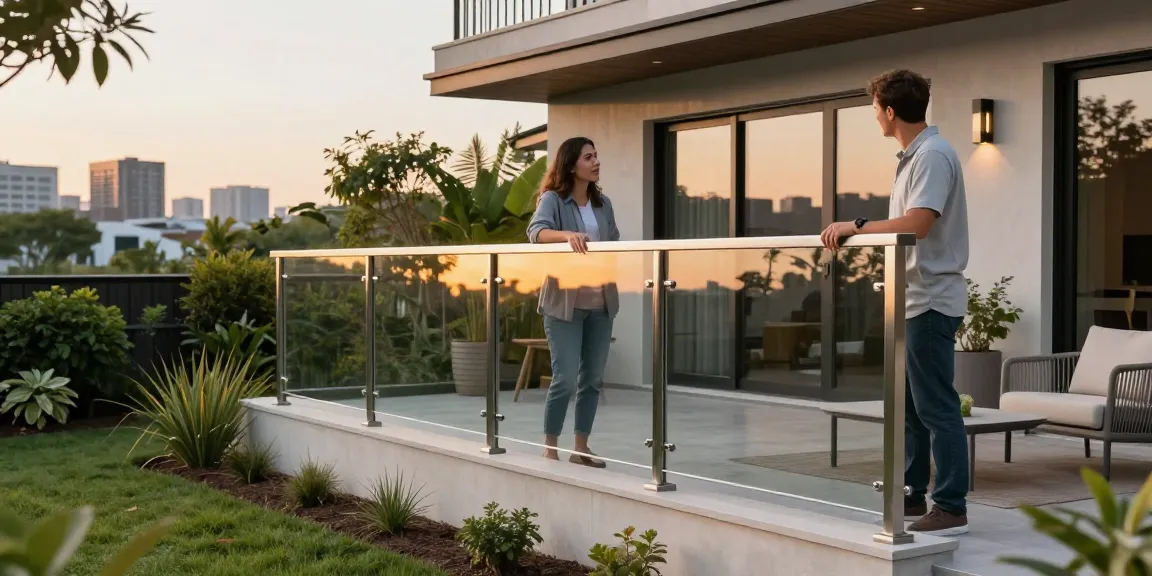
- Glass: Glass railings provide an unobstructed view and elegance, often used in luxury settings.
- Aluminum: Lightweight and corrosion-resistant, aluminum railings are popular for both residential and commercial projects.
Benefits of Custom Railings and Handrails
Enhancing Aesthetic Appeal
Custom railings significantly enhance the visual impact of a property. Available in various styles and finishes, they can be designed to match or contrast with the existing architecture. Whether opting for a minimalist design with sleek lines or a more elaborate ornamental style, custom railings allow property owners to create a striking first impression.
Durability and Weather Resistance
Vancouver’s coastal climate demands railings that can withstand moisture, wind, and varying temperatures. Custom railings are constructed with high-quality materials that offer longevity and low maintenance. Powder coating, galvanization, and stainless finishes contribute to weather resistance, ensuring that railings retain their beauty and functionality over the years.
Increased Property Value
Investing in custom railings can enhance the overall value of a property. A well-designed railing system not only improves safety but also elevates the aesthetic appeal, making the property more attractive to potential buyers. High-quality custom railings signal quality craftsmanship, potentially leading to higher market value.
Types of Custom Railings Available
Metal Railings vs. Glass Railings
Metal railings, including options like wrought iron and aluminum, provide a sturdy and classic look, whereas glass railings are preferred for their ability to provide unobstructed views. The choice between these materials often depends on the intended use and design preferences. For instance, glass railings are commonly used in modern homes to create a seamless transition between indoor and outdoor spaces.
Stainless Steel and Aluminum Options
Stainless steel railings are favored for their sleek appearance and resistance to rust and corrosion, making them ideal for coastal areas. Aluminum railings, on the other hand, are lightweight and come in various colors and styles, providing versatility for those looking to customize their railings without compromising on weight. Both materials offer strong structural integrity, making them suitable for various applications.
Unique Design Features and Customizations
Custom railings can incorporate unique design features like ornamental scrollwork, integrated lighting, or even built-in seating elements. These customizations not only serve aesthetic purposes but can also enhance the functionality of the space. Collaborating with a designer can yield innovative solutions that reflect the homeowner’s personal style while adhering to safety standards.
Choosing the Right Custom Railing for Your Project
Factors to Consider When Selecting Railings
When selecting the right custom railing for your project, several factors should be considered, including:
- Style: Ensure the railing complements the overall design of your property.
- Material: Choose a material suitable for the environment and expected wear.
- Code Compliance: Verify that the chosen railing meets local safety codes and regulations.
Working with Designers and Contractors
Engaging with experienced designers and contractors is crucial in the selection process. They can provide insights into current trends, materials, and installation methods, ensuring the final product is both beautiful and functional. Collaboration often leads to innovative solutions that reflect individual needs and preferences.
Compliance with Vancouver Building Codes
Custom railings must comply with Vancouver’s building codes, which dictate specifications regarding height, spacing, and installation. Ensuring compliance not only promotes safety but also protects property owners from potential liabilities. Working with skilled professionals who understand these regulations is vital in achieving a safe and effective railing system.
The Custom Railing Design and Installation Process
Initial Consultation and Design Ideas
The process begins with an initial consultation where homeowners discuss their vision and requirements with a designer. This stage involves brainstorming design ideas, discussing material options, and establishing a budget. By clearly communicating your desires, you can help the designer create a tailored solution that meets your needs.
Fabrication Steps for Custom Railings
Once the design is finalized, the fabrication process commences. This involves cutting, welding, and assembling the railing components according to the approved specifications. Quality control is essential to ensure that each railing meets the desired standards before installation.
Final Installation and Quality Assurance
The final installation step sees the custom railings being expertly mounted at the designated locations. Post-installation inspections ensure that everything is installed correctly and complies with safety standards. A thorough quality assurance process guarantees that the railings will perform well for years to come.
How much does a custom railing cost?
The cost of custom railings can vary significantly based on factors like material choice, design complexity, and installation requirements. On average, homeowners can expect to pay anywhere from $50 to $250 per linear foot, including materials and labor. It’s advisable to obtain multiple quotes to find the best fit for your budget.
Are custom railings compliant with building codes?
Yes, responsible railing companies ensure that all custom railings comply with local building codes, which vary by region. Compliance is crucial to ensure safety and avoid future liabilities, making it essential to work with experienced professionals who are knowledgeable about these regulations.
What types of materials are available for custom railings?
Custom railings can be created from various materials, including metal (steel, stainless steel, aluminum), glass, and wood. Each material has its unique benefits and aesthetic appeal, allowing homeowners to choose based on their specific needs and preferences.
How long does it take to fabricate and install custom railings?
The timeframe for fabricating and installing custom railings can differ based on the complexity of the project. Typically, the process can take anywhere from a few weeks to several months, depending on design specifications and availability of materials. Communication with your chosen contractor can provide a clearer timeline for your specific project.
Do you offer maintenance services for custom railings?
Many companies that specialize in custom railings also provide maintenance services. Regular upkeep is essential in prolonging the lifespan of the railings and ensuring they remain safe and visually appealing. Maintenance services may include inspections, cleaning, and repairs as needed.